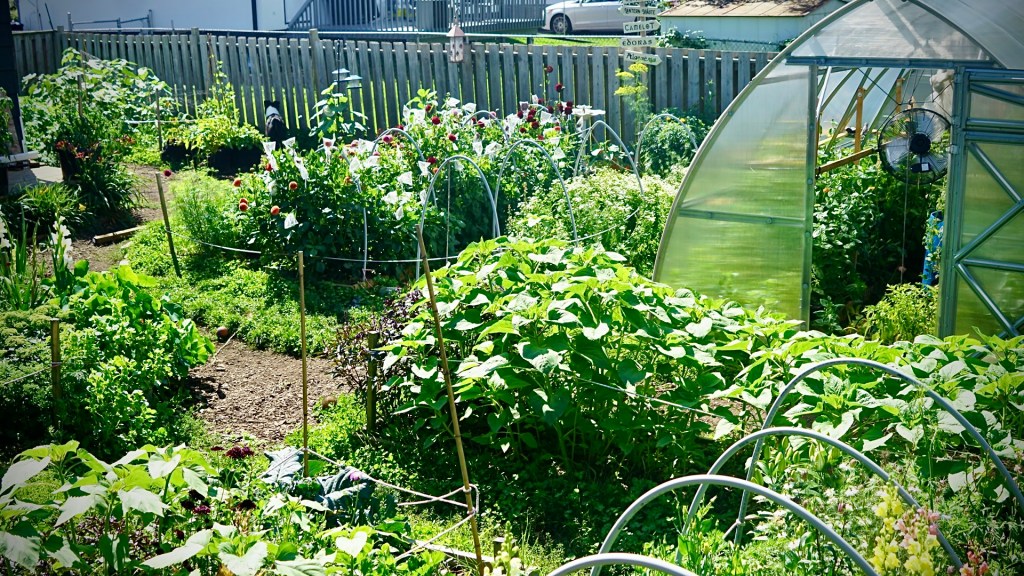
Hello! Welcome to Bloomstead. This flower farm has been a life-long dream in the making. I’ve always loved growing and nurturing plants and gardens and spent my early childhood living on farms. I grew up playing with and milking goats, helping with butchering animals, and preserving food from the garden.
But I’ve never had the opportunity to have my own land, I’ve been a city dweller since moving away for school. So I’ve never had more than a collection of house plants or a small plot with a couple of tomato plants and some hostas in the shade.
Moving from southern Ontario (zone 5b/6a) to Thunder Bay (zone 3) in 2023 provided the opportunity to actually throw myself into gardening. As I began to try and plan a garden, I discovered the world of cut flower growing and I was instantly obsessed.
My research skills were put to good use diving into the huge learning curve of this new-to-me growing zone, this soil type, starting seeds indoors, keeping seedlings alive, learning the harvest requirements for every type of flower, AND trying to learn a bit about floral design at the same time.
My first year, I made enough to cover my seed costs. lol
Now in year two, the learning curve focused on setting up an indoor grow room and starting 2000 seeds. I’ve learned about crop failure, about garden planning, pest management, and growing in low tunnels and greenhouses.
The wholesale floral business has some nastiness about it – in terms of chemicals and plastic use. Any plants that cross the border into Canada from the US. Mexico, Columbia, Netherlands (which is where the majority of our wholesale flowers come from) the blooms are fumigated with herbicides and pesticides. Those grocery store flowers just didn’t look as beautiful anymore knowing what they’d been sprayed with both in the field and at the border. Additionally, the labour practices of some of these growers is appalling.
The use of plastic in the garden world is concerning. Remember: recycled doesn’t mean recyclable.
I wanted a better alternative for myself and my family and friends, so I challenged myself to use regenerative growing practices in my urban flower farm. Which means many things take more time, they may cost more up front, and grow is going to be slower.
So I’m diving into cover cropping to revitalize the soil naturally. I’m recycling grass clippings into garden mulch. I’m succession planting and playing with crop intensity to increase yield without compromising health of the plants. I’m doing my best to avoid artificial fertilizers. I start all my seeds in seed blocks I make by hand (who knew those early mud pie making days would come in handy). I’m sourcing wool and manure from a local farm to help with seed starting and building biodiversity in the soil.
There’s a lot to this. There’s always something new to learn and that keeps me ever-interested. There’s always a new experiment to try, and there’s always next year.
Bloom where you’re planted!
Lisa
 Bloomstead